Blog

  • Anthropic shares tumble below $83 IPO price, on track to lose nearly $200 billion in value

    Anthropic shares tumble below $83 IPO price, on track to lose nearly $200 billion in value

    Anthropic’s shares dropped below their $83 initial public offering price and were on course to erase close to $200 billion in market value on Tuesday, a striking reversal just days after the Claude developer’s record-breaking Nasdaq debut.

    The stock was last down 12.6% at $76.6, extending a steep retreat from its $111.50 opening price on November 19.

    It had closed 17% above the IPO price in its debut trading session but has since been swept up in a broader technology selloff that pushed the S&P 500 and the Dow into confirmed correction territory the previous week.

    READ ALSO: Anthropic breaks below $83 IPO price as debut rally unravels

    Anthropic’s rapid reversal has added to concerns about stretched AI valuations and the vast sums being poured into computing infrastructure, with rising interest rates threatening to push those costs even higher. As the first frontier AI company to go public, Anthropic is widely seen as a proxy for the sector.

    “If we do see a slowdown in the data-center buildout, then that obviously can impact the speed at which Anthropic can develop and therefore future revenue and therefore its valuation,” said Fiona Cincotta, senior market analyst at StoneX.

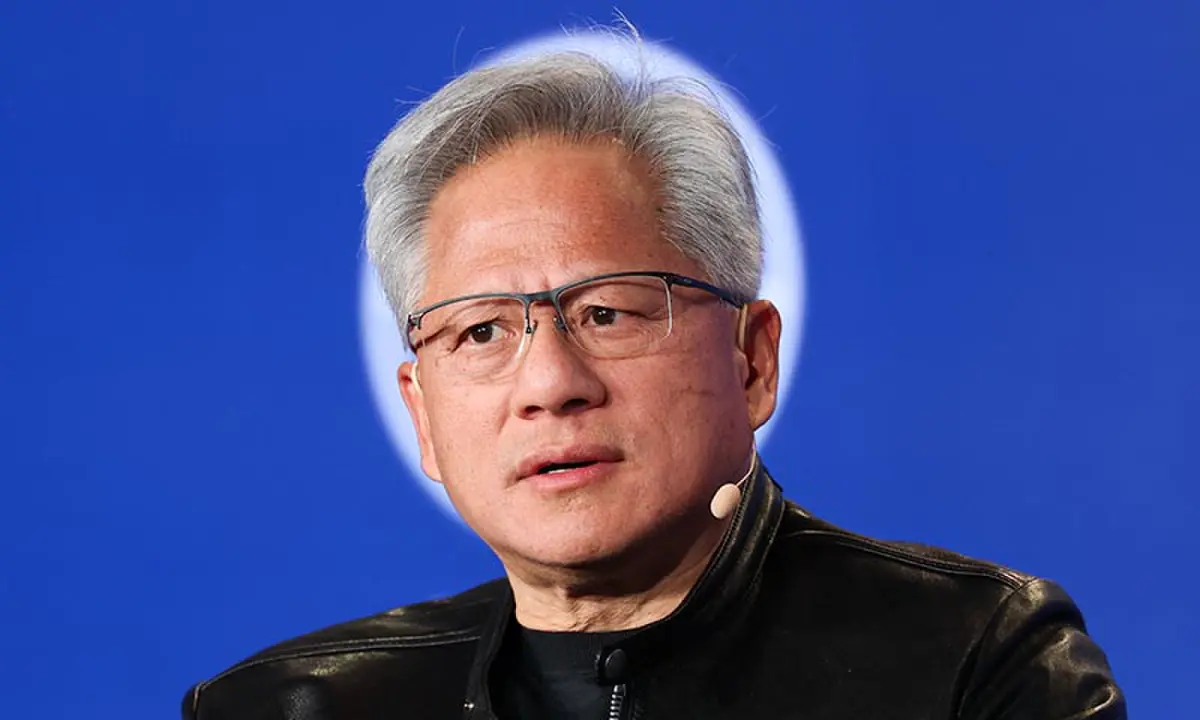
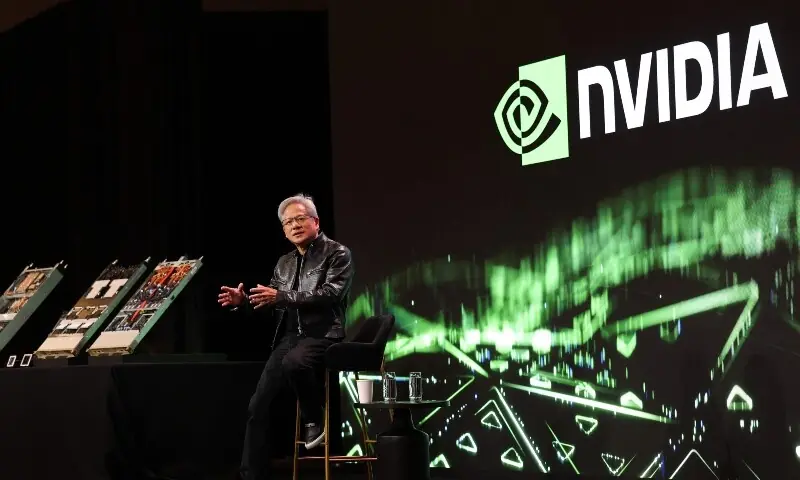
    Anthropic missed out on a broad Wall Street rally driven by AI-related stocks after Nvidia reinstated Jensen Huang as chief executive on Monday.

    Anthropic is not alone among blockbuster technology IPOs in quickly surrendering early gains and falling below its offer price. SpaceX, whose $85.7 billion June listing was the world’s biggest before Anthropic, took about a month to fall below its offer price.

    In 2012, Facebook, now Meta Platforms, slipped below its offer price on its second trading day.

    The comparisons show that a swift loss of an IPO premium is not unprecedented even for highly anticipated listings, and that an early break below the offer price is not necessarily a guide to longer-term performance.

    “Like most IPOs, it probably came in overpriced and it is now the real price discovery as to what the true value should be,” said Peter Andersen, founder of Andersen Capital Management.

    After touching $2 trillion in valuation on debut day, Anthropic was last trading at a $1.5 trillion valuation, which is about 40 times its sales over the last 12 months.

    Key risks

    With Anthropic’s shares now testing their IPO price, attention is turning to risks that could determine where the stock goes next, including insider selling, pressure from open-weight models and a potential slowdown in data-center investments.

    Anthropic’s IPO lock-up provisions allow certain employees and insiders to sell portions of their holdings from the first trading day, with further staggered releases tied to earnings announcements.

    CEO Dario Amodei and President Daniela Amodei sold more than 3.37 million shares worth over $280 million each to the IPO’s underwriters a day after the debut, according to a filing late on Monday.

    Anthropic’s underwriters also exercised their option to buy additional shares, lifting the IPO’s gross proceeds to a record $93.5 billion, while removing a potential source of support for the stock after its debut.

    Anthropic also faces growing competition from cheaper open-weight AI models, which it has warned could pressure pricing.

    Users can download and adapt models from DeepSeek, Mistral and Moonshot AI, unlike proprietary models such as Claude, ChatGPT and Gemini, with Chinese developers in particular gaining ground globally.

    Huang’s return could also sharpen the competitive threat to Anthropic, given his strong advocacy for open-weight AI models.

    Some support could emerge in the coming days as Anthropic’s addition to major indexes prompts buying from passive funds.

    Index rebalance analytics firm Intropic estimates passive funds could buy up to 30% of the shares offered by year-end. MSCI will add Anthropic to its global standard indexes as of the November 30 close.

    Source: brecorder
  • China’s Huawei convicted in sprawling US criminal trial over Iran business

    China’s Huawei convicted in sprawling US criminal trial over Iran business

    NEW YORK: Chinese telecommunications equipment maker Huawei was convicted on Tuesday in a sprawling US criminal case on charges that it had deceived banks about its business in Iran and stole trade secrets from US companies.

    A federal jury in Brooklyn found Huawei guilty on 10 of the 12 criminal counts it faced. The jury found the technology company not guilty of racketeering conspiracy, a charge alleging it had acted as a criminal enterprise.

    In a statement, Huawei said the charges on which it was convicted lack legal merit and said it would “take all necessary legal actions to defend our rights and interests.”

    US authorities had targeted Huawei for years, saying the company posed national security risks.

    The criminal case began in 2018, and the following year the US government placed Huawei on a trade blacklist that restricted its access to US technology.

    Experts have said the case has nonetheless not undermined Huawei’s business, as the company diversified and emerged as a key player in China’s push for artificial intelligence.

    The trial lasted more than two months, with prosecutors calling more than 60 witnesses and the defense calling 15.

    Huawei and three affiliates faced 12 charges including racketeering conspiracy, bank fraud, wire fraud, sanctions violations, and conspiring to steal trade secrets and obstruct justice.

    Reuters stories in 2012 and 2013 helped expose Huawei’s activities in Iran and were discussed during the trial.

    “After the media started questioning Huawei’s operations in Iran, so did Huawei’s banks,” prosecutor Meredith Arfa told jurors during her closing argument.

    Founder’s daughter had been detained

    The case emerged in December 2018 when Meng Wanzhou, Huawei’s chief financial officer and daughter of the company’s founder, was detained in Canada on a US warrant, prompting a diplomatic crisis involving the US, China and Canada.

    Meng had been secretly indicted on charges of misleading an HSBC banker about Huawei’s business in Iran, so the company could move dollars in and out of Iran in violation of US sanctions.

    She fought extradition to the US for nearly three years, before entering a deferred prosecution agreement and flying home to China to a hero’s welcome. The charges against her were dropped.

    Prosecutors alleged trade secrets theft

    The 2018 indictment alleged that Huawei misled HSBC, Standard Chartered and BNP Paribas about its business dealings in Iran.

    Prosecutors added new charges in 2020, including that Huawei conspired to steal trade secrets from US technology companies over two decades.

    During the trial, prosecutors tried to prove Huawei stole source code from Cisco Systems for its routers, stole wireless telecommunications company Quintel’s antenna technology, and hired a professor to gain access to a circuit board developed by semiconductor company CNEX.

    Jurors watched a video that, according to prosecutors, showed a Huawei employee slipping a piece of a T-Mobile testing robot into his backpack, and heard about a Huawei engineer sneaking into a Fujitsu booth at a trade show to photograph a device.

    Prosecutors gave jurors a statement attached to Meng’s deferred prosecution agreement, in which she acknowledged that the company illegally conducted business in Iran. She did not testify at trial, though an HSBC banker she met with in 2013 did testify.

    Defense says banks knew of Iran business

    The defense argued that HSBC and the other banks knew about Huawei’s business in Iran and were competing for Huawei’s business.

    Brian Heberlig, a lawyer for Huawei, accused prosecutors during his closing argument of having “cherry-picked” a handful of disparate incidents to support their claim of a 20-year conspiracy.

    He said Huawei succeeded through “hard work, innovation, and investment in research and development.”

    The company has more than 200,000 employees and operates in approximately 170 countries.

    Source: brecorder

  • Cabinet approves deregulation of sugar sector to meet vital IMF benchmark

    Cabinet approves deregulation of sugar sector to meet vital IMF benchmark

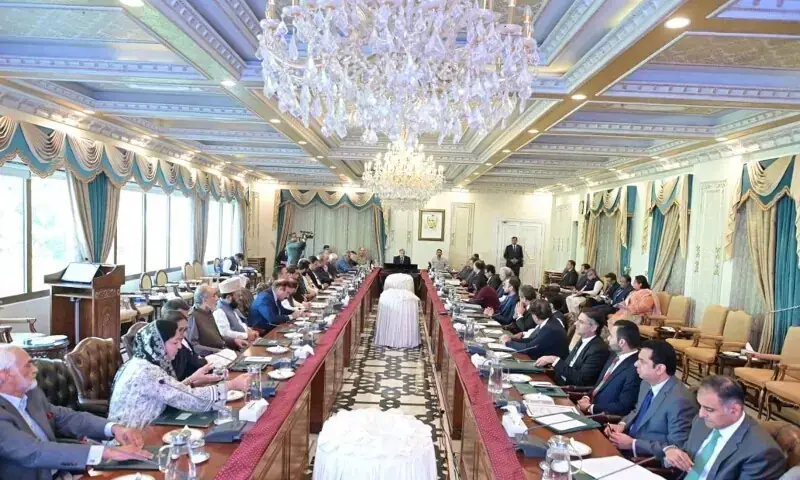
    ISLAMABAD: To meet a long-postponed structural benchmark of the International Monetary Fund (IMF), the federal cabinet on Tuesday approved the deregulation of the sugar sector, an end to its export subsidies and free movement among the provinces.

    The cabinet approved the ‘National Policy for Deregulation of Sugar Sector’ through circulation while Prime Minister Shehbaz Sharif “recused himself from the sugar sector related decisions” owing to his immediate family’s sugar business, informed sources told Dawn.

    The decision came after the government allowed the export of more than 400,000 tonnes of sugar on Friday, in addition to 200,000 tonnes already exported a few months ago.

    The IMF has continuously pushed for a policy ending the government’s role in sugar sector operations, from sugarcane crop prices to sugar production and import-export, leaving it to market forces. The fund also minutely remained engaged with the terms and conditions of a ministerial committee which finalised the sugar deregulation policy.

    Pakistan was in breach of the structural benchmark of the IMF since June 2026 and its approval was mandatory for scheduling the IMF executive board meeting, now set for Dec 11.

    The policy approval was hampered by Sindh’s virtual veto, although three other provinces had already consented to the draft. After hectic backdoor negotiations, the Sindh government finally cleared the policy on Nov 21 after securing certain amendments.

    The policy was finalised by a ministerial committee led by Power Minister Awais Leghari. The committee also includes the ministers for finance, food security and economic affairs; the premier’s adviser for industries; the chairman of the Federal Board of Revenue (FBR); secretaries of concerned ministries and provincial chief secretaries, as well as other stakeholders.

    Being a structural benchmark of the IMF, the timeline for the completion of the process was June 30, 2026. The fund proposed revised Terms of Reference (ToRs) on July 31, 2025 for incorporation in the ToRs of the committee, which were agreed to by the prime minister, official records seen by Dawn suggested.

    The Ministry of Industries and Production, on the IMF’s directions, “inserted some amendments and shared the said draft policy with the IMF” by the end of August, which were fine-tuned by the fund again on Oct 1. It was insisted that the Sindh government’s agreement was necessary for completion of the structural benchmark.

    The policy provides a predictable mechanism for imports and exports with a complete end to export subsidies, the cabinet was told. There will be no restrictions on the inter-provincial movement of sugar, and transitional arrangements have been provided for the current crushing season.

    At the input stage, the government has removed restrictions on planting zones and cane varieties, providing freedom to cane producers to sell their crop to any buyer and mills to sell their product. The sugarcane price has now been left to market forces to determine, but there will be a negative list of banned sugar varieties.

    At the processing stage, there will be no restriction on the establishment of new mills or capacity approvals for mills; the millers will have the freedom to choose raw material sources and take market-based production decisions. Price controls by the governments will come to an end.

    For creating an enabling environment for smooth transition, the deregulation policy provides certain safeguards to the farmers in the shape of third-party validation of weighing scales, sucrose testing framework and interest payments by millers on the late payment of sugarcane dues.

    The sugarcane cess has been promised for effective use of research, as well as easy access to credit for farmers and millers, along with farm mechanisation schemes going ahead.

    The policy, nevertheless, retains the government’s right to maintain buffer sugar stocks and take measures to access correct and timely information on sugarcane crop, sugar production and market availability. It will also encourage working towards mandating ethanol blending and providing a fair and competitive market.

    Cabinet approves deregulation of sugar sector to meet vital IMF benchmark

    Source: dawn

  • Pakistan Customs seizes nearly 1kg of ‘Multan-bound’ marijuana in Karachi

    Pakistan Customs seizes nearly 1kg of ‘Multan-bound’ marijuana in Karachi

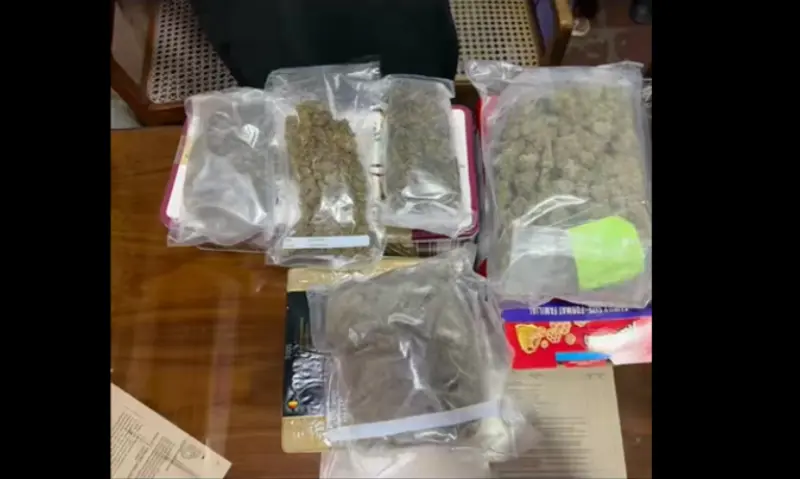
    The Collectorate of Customs (CoC) (airports) in Karachi foiled a narcotics smuggling attempt and seized 900 grams of marijuana during routine scanning at the International Mail Office (IMO), Pakistan Customs said on Tuesday.

    During routine scanning, Customs staff intercepted a “suspicious parcel” originating from Canada’s Ontario and destined for Multan, the statement said.

    “The parcel was declared as ‘Books (Gift)’. However, physical examination by Preventive Officer Muhammad Shah Jahan revealed boxes of chocolates and cereals, within which the 900 grams of marijuana was concealed,” the press release said.

    The seized marijuana was valued at approximately Rs. 27.25 million, Pakistan Customs said.

    The consignment was shifted to the Directorate of Enforcement and Compliance (DEC) headquarters at Jinnah International Airport for further necessary proceedings.

    A first information report (FIR) has been registered in the case and further legal proceedings were underway, Pakistan Customs said.

    “Reflecting continued vigilance, Pakistan Customs remains committed to curbing narcotics smuggling and safeguarding public welfare.”

    Source: dawn

  • 11 injured as Riyadh skyscraper hit second time in less than a week

    11 injured as Riyadh skyscraper hit second time in less than a week

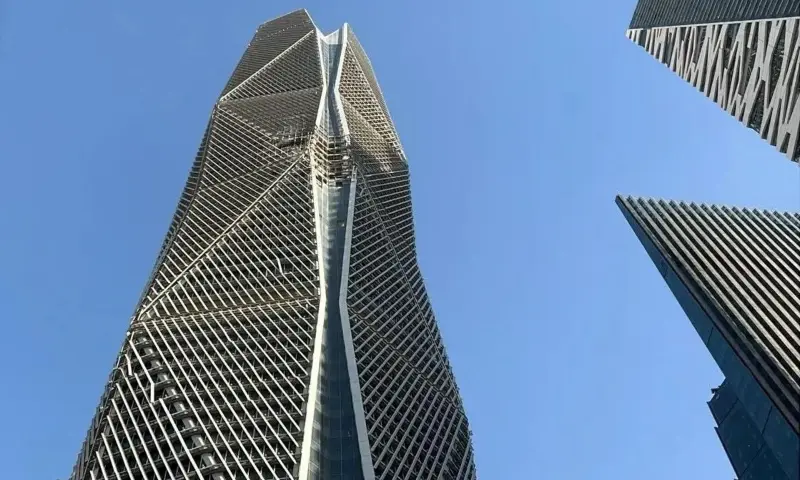
    Riyadh’s tallest skyscraper was struck for the second time in days on Tuesday, injuring 11 people, as the coalition fighting Houthis denounced a “terrorist attack”.

    The building, which was also attacked last Thursday, is one of several high-profile targets hit since hostilities with the Houthis restarted in July.

    Saudi Arabia’s Civil Defence reported Tuesday’s injuries and posted a picture of the landmark tower housing the headquarters of the Saudi Public Investment Fund (PIF).

    The image showed some damage to the building about halfway up the facade, similar to the impact from a strike on the same tower on Nov 19, which caused damage but no injuries.

    Reuters could not immediately determine when the image was taken or the extent of the further damage from the latest strike.

    Saudi Civil Defence said the 11 people injured included two Saudi citizens, four Egyptian nationals, three Nepalese nationals and two Indian nationals.

    “Relevant authorities responded to the incident immediately, implementing all established protocols and measures for handling such situations, and taking the necessary steps to ensure the safety of lives and property,” the Arabic statement said.

    “One of the towers in the financial centre was targeted in a cowardly terrorist attack,” coalition spokesperson Turki al-Malki said in a social media post, without naming the building.

    Standing 385 metres high, the PIF tower is the most prominent landmark of King Abdullah Financial District (KAFD), a showcase for Saudi Arabia’s economic ambitions.

    A witness told AFP that a vehicle fitted with a speaker had warned pedestrians in the area to take cover on Tuesday. No warning was sent to mobile phones about any threats to the capital.

    Afterwards, police cars blocked some entrances to the gleaming financial district. With imposing skyscrapers, luxury shops and green spaces, the district also hosts the headquarters of the Saudi stock exchange along with multinationals such as Goldman Sachs.

    An attack on the PIF is symbolic as the fund is driving efforts to diversify the oil-reliant Saudi economy — a project that has been complicated by the Middle East war and Houthi strikes.

    A tower belonging to state oil giant Aramco in KAFD was hit earlier this month, while Riyadh’s international airport was repeatedly struck in October, with one attack killing 14 people.

    The Houthis, who control much of western Yemen including the capital Sanaa, have been firing at Saudi airports, oil infrastructure and office buildings since Yemen’s frozen civil war reignited in July in a knock-on from the US-Iran war.

    The attacks have caused the cancellation of most international flights to Riyadh, and forced Saudi Arabia to postpone or cancel major international events, including soccer’s AFC Asian Cup.

    Such cowardly attacks undermine peace efforts: Pakistan

    Pakistan strongly condemned the “terrorist attack carried out today by the Houthi militia”, the Foreign Office said.

    In a statement, FO said Islamabad denounced “such cowardly attacks, which endanger civilians and civilian infrastructure, heighten regional tensions and undermine efforts to restore peace and stability”.

    “Pakistan stands in full solidarity with Saudi Arabia in the face of these attacks. The Kingdom has every right to defend its territory and protect its citizens and residents,” FO affirmed.

    It expressed Pakistan’s deep sympathies with those injured and their families and wished them swift and full recovery. FO also commended the Saudi authorities for their “prompt response” and the steps taken to protect lives and property.

    Islamabad has condemned Houthi attacks repeatedly, including on international platforms, and termed them a grave violation of the kingdom’s sovereignty.

    Pakistan and Riyadh have signed two defence pacts aimed at collective deterrence, the Strategic Mutual Defence Agreement between the two and the Makkah Joint Defence Agreement that also includes Turkiye.

    Under the Makkah Defence Alliance, Pakistani, Saudi and Turkish leaders met in Riyadh in October and agreed to deploy military forces and capabilities rapidly in the kingdom.

    Pakistan is providing “whatever support is needed” to defend Saudi Arabia amid the Houthi attacks, the military’s spokesperson Lieutenant General Ahmed Sharif Chaudhry said later that month.

    ‘26 killed in Yemen attack’

    On the ground in Yemen, the war has caused a major humanitarian crisis, with hundreds of thousands of people displaced from their homes since July.

    The Houthis have seized swathes of territory, forcing forces aligned with the internationally recognised government to stage a major retreat this month.

    The Saudi-led military coalition has been striking Houthi targets in the impoverished country.

    On Tuesday, local officials said a coalition airstrike on buses and trucks killed 26 people in Lahj province. On the other hand, government forces blamed the Houthis for the attack.

    As the conflict shows no sign of slowing, Britain sanctioned the Houthis and four of its top officials “for deliberately attempting to undermine stability” on Tuesday.

    The measures include an asset freeze against the group and an asset freeze and travel ban on four figures, including security and intelligence head Abdul Hakim Hashem Ali al-Khaiwani, and interior affairs official Abdulkarim Amir al-Din Hussein al-Houthi.

    The Saudi-led coalition intervened in Yemen in early 2015, after the Houthis had captured the capital Sanaa and sent the internationally recognised government fleeing to Aden.

    The war left hundreds of thousands dead and triggered a humanitarian catastrophe before an uneasy ceasefire went into effect in 2022.

    Source: dawn

  • Govt reduces petrol price by Re1, diesel’s by Rs4 per litre

    Govt reduces petrol price by Re1, diesel’s by Rs4 per litre

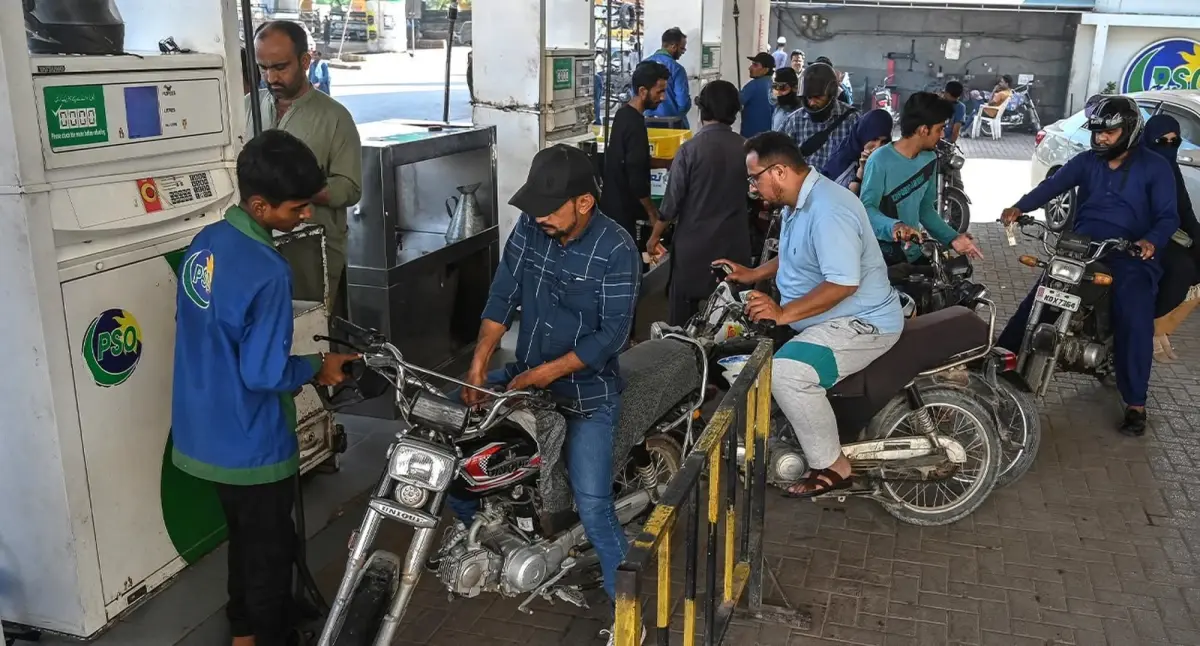
    Pakistan government on Tuesday decreased the price of petrol by Re1 to Rs318 per litre and high-speed diesel (HSD) rate by Rs4 to Rs353 per litre, effective for Wednesday, November 25, 2026.

    The Oil and Gas Regulatory Authority (OGRA) said the prices were worked out under the petroleum products pricing mechanism approved by the federal government.

    The new prices will remain effective for Wednesday, November 25, 2026.

    On Monday, the government decreased the price of petrol by Rs3 to Rs319 per litre and kept the diesel rate unchanged at Rs357 per litre.

    Globally, oil prices fell to three-month lows on Tuesday on signs of rising crude supply and a potential market surplus, though risks to shipping through the Strait of Hormuz persisted.

    Brent crude futures dropped 20 cents, or 0.2%, to $89.17 a barrel by 1107 GMT, after hitting its lowest since August 27. US West Texas Intermediate crude futures were 22 cents, or 0.3%, lower at $79.95 a barrel, after falling to the weakest since August 10.

    Source: brecorder

  • Huang’s return fails to dispel doubts as Nvidia shares drop

    Huang’s return fails to dispel doubts as Nvidia shares drop

    Technology shares led a market retreat on Tuesday as caution returned after Jensen Huang’s extraordinary return to AI giant Nvidia days after he was forced to resign, with investors bracing for further volatility in a key sector driving economic growth worldwide.

    A day after Huang’s reinstatement as CEO drove Nvidia shares up more than 30 per cent, adding more than $900 billion to the firm’s market value, the euphoria dissipated as its stock lost almost 9pc mid-session.

    Fellow tech behemoth and AI giant Anthropic also slumped, giving up around 12pc to $77.19, below its $83 price for last week’s IPO.

    Monday aside, AI stocks had already sold off sharply throughout November on worries about profitability and the vast sums pumped into the sector.

    Overall, the tech-heavy Nasdaq shed 2.3pc and the broader-based S&P 500 lost 1.1pc, while the Dow was just into the green around 1700 GMT (10pm PKT).

    Europe’s main stock markets, which feature far fewer tech companies than their Asian and US rivals, finished a handful of percentage points lower after jumping on Monday in line with Wall Street.

    Away from the tech sector, French pharmaceutical giant Sanofi revealed it would buy the US biopharma group Insmed, a specialist in respiratory treatments, for $41bn as it races to bulk up its development pipeline of new drugs.

    Sanofi’s share price closed up almost 10pc following the news.

    Huang had resigned less than two weeks ago over extramarital affairs, reportedly with an alleged Chinese spy as well as a senior Nvidia executive before US President Donald Trump noisily declared he should be brought back.

    “Jensen’s return takes away one of the biggest unknowns hanging over the AI trade,” said Charu Chanana, an investment strategist at Saxo Markets.

    “He is not just Nvidia’s CEO; he is arguably the biggest salesman for the entire AI ecosystem. His relationships with customers, suppliers and capital providers are difficult to replicate,” she said.

    But “Jensen Huang alone cannot support the AI trade in the long term,” said Kathleen Brooks, research director at XTB.

    “Nvidia’s stock price decline on Tuesday is to be expected after such a large rally in the previous session,” she added.

    Analysts were in broad agreement that Huang’s return did not mean an end to probes or the uncertainty that has clouded the AI trade for six months.

    The company remains under scrutiny from investigators including at the FBI and on Capitol Hill for allegedly helping Chinese firms gain access to Nvidia’s top-line chips.

    Monday’s Wall Street surge had propelled Asian markets earlier on Tuesday, with Taipei surging 9pc higher as chip titans TSMC and MediaTek added nearly 10pc each.

    Seoul piled on more than 6pc thanks to strong gains in fellow chip giants SK Hynix and Samsung, and Tokyo rose nearly 4pc, led by a 12.5pc jump for semiconductor tester Advantest.

    Huang’s return fails to dispel doubts as Nvidia shares drop

    Source: dawn

  • ABHI goes public at PSX with 75% of its total lending made against gold-jewellery

    ABHI goes public at PSX with 75% of its total lending made against gold-jewellery

    ABHI Microfinance Bank Limited (ABHI) has made its shares available to trade publicly at the Pakistan Stock Exchange (PSX) on Tuesday, with management expressing confidence that its heavily gold-backed lending portfolio will remain resilient despite a recent sharp decline in gold prices.

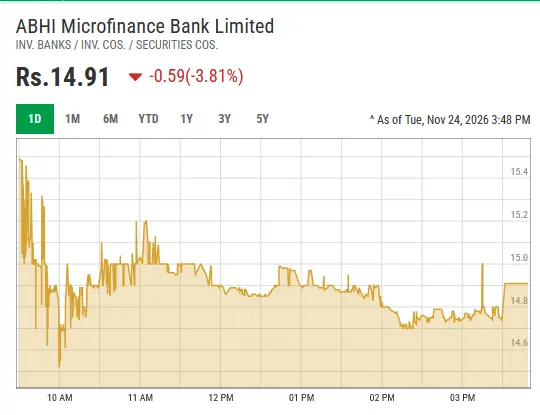
    The microfinance bank’s share price dropped 3.81% (or Rs0.59) to Rs14.91 per share on the first day of its public trade, with a volume of 1.54 million shares changing hands at PSX.

    ABHI goes public at PSX with 75% of its total lending made against gold-jewellery

    Talking to Business Recorder on the sidelines of its formal listing at the bourse following its IPO earlier this month, ABHI Co-Founder & CEO Omair Ansari said the size of his bank’s lending portfolio had grown to Rs60 billion. Out of the total lending, around 75% was made against gold-jewellery as collateral.

    Gold price dropped 32.7% (Rs187,426 per tola/11.66 grams) to Rs385,436 per tola (24-karat) in Pakistan on Tuesday, compared to a record high hit at Rs572,862 per tola on January 29, 2026.

    When asked what impact his lending portfolio could take from gold having sharply declined in Pakistan in line with global trends in the recent past, he said, “in terms of default rates, we have not seen impact because this tends to be people’s jewelry. So, because it is peoples’ jewelry, in fact, we start seeing repayment happening at a quicker pace. If you look historically as well, not just here but in other markets, you don’t tend to see a very big spike in terms of NPLs [non-performing loans] for gold back lenders, especially when they focus on the jewelry segment because it tends to be household jewelry that they want back. So the worst case scenario is that we end up seeing prepayments happen”.

    “We see a slowdown in terms of people wanting to borrow against their gold because the price is coming down,” he added.

    When asked to comment on ABHI share price decreasing in the middle of the day session at PSX, he replied: “This is a long-term game. So first day possibly, let’s see how we continue in the next six months to a year and in longer duration than a day.”

    ABHI Microfinance Bank raised a total of Rs2.046 billion through selling 132 million shares to investors through the IPO earlier this month. It sold the stocks at Rs15.50 per share. The share price was determined through Dutch-bidding (book building).

    The bank aims to utilise the IPO proceeds to strengthen and expand its business by increasing its lending capacity and bolstering its capital adequacy ratio (CAR) in line with the State Bank of Pakistan’s regulatory requirements.

    The remaining 25% of lending was made through its products including earned wage access (EWA). “We have merchant financing.We have revenue based financing. Everything is done purely digitally. There is no physical footprint on that,” Ansari said.

    Abhi Fintech (UAE) Entrepreneur in Residence Kabeer Naqvi said ABHI bought FINCA Microfinance Bank back in 2025 and transformed it into ABHI Microfinance Bank.

    FINCA was having a financial hole of Rs6 billion. It was losing around Rs200-250 million a month in credit. “We have turned around it with its lending portfolio rising to its current level from Rs16 billion in 2025. And deposits with the bank have surged to Rs100 billion from Rs26 billion before the acquisition,” he said.

    The size of ABHI’s flagship lending product, Earned Wage Access (EWA), has grown to Rs15 billion from Rs1.5 billion before the bank’s acquisition. The facility allows employees of organisations registered with ABHI to access a portion of their earned salaries before their scheduled payday, providing them with greater financial flexibility.

    PSX Managing Director & CEO Farrukh H. Sabzwari said ABHI’s listing marked the 14th listing of the current calendar year and the 6th of the fiscal year 2026-27, reflecting the continued momentum of Pakistan’s capital market.

    Source: brecorder

  • PTA proposes solar power for telecom towers facing frequent outages

    PTA proposes solar power for telecom towers facing frequent outages

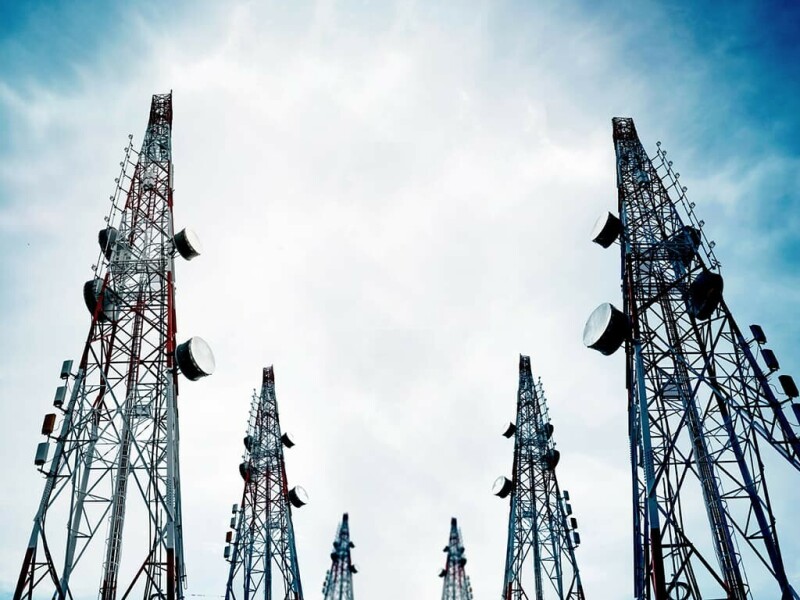
    The Pakistan Telecommunication Authority (PTA) has proposed a phased transition of telecom towers to alternative energy solutions, including solar power, battery storage and hybrid systems, to reduce diesel dependence, address power outages, and improve network reliability.

    The authority has invited telecom operators and infrastructure providers to submit time-bound plans for shifting Base Transceiver Stations (BTS) to alternative energy sources, while proposing a technology-neutral and industry-led framework instead of imposing uniform conversion targets on all sites.

    The authority has sought industry feedback by December 7, 2026, on the development of a roadmap for alternative energy deployment across telecom infrastructure, amid persistent electricity reliability challenges, rising energy costs and exposure to fuel-price volatility.

    Under the proposed framework, cellular mobile operators (CMOs) would identify sites experiencing prolonged power outages, assess their technical and commercial viability for alternative energy solutions, and provide proposed investment plans and implementation timelines of one, two or three years.

    The PTA has particularly emphasised addressing high-outage sites, where power failures affect network availability and service quality. It has proposed identifying sites experiencing outages of 5% or more during a month as high-outage locations, seeking industry views on whether renewable energy installations should be mandatory at such sites.

    The proposed solutions include solar power, solar-battery systems, and solar-diesel-battery hybrid arrangements, depending on site-specific requirements, lifecycle costs and network characteristics.

    The regulator has also asked operators to prepare plans for progressively reducing diesel consumption at their 10% highest diesel-consuming BTS sites, including identifying existing consumption levels, proposed reductions, and timelines.

    The PTA said alternative energy deployment should not compromise telecommunications services, particularly during night-time, cloudy weather, snowfall or periods of inadequate solar generation. Adequate battery backup and other arrangements would therefore remain necessary to ensure uninterrupted connectivity.

    The consultation recognises that telecom infrastructure faces particular energy challenges as towers cannot suspend operations during electricity outages. Operators currently rely on grid electricity, batteries, and diesel generators to maintain connectivity, with remote and weak-grid locations facing greater operational difficulties.

    The authority has proposed collecting detailed site-level information on accumulated BTS downtime, existing backup arrangements, grid availability, diesel consumption and proposed alternative energy solutions. Operators would also be required to provide data aggregated at Union Council, tehsil, district, and national levels.

    The PTA said a uniform renewable-energy obligation for every BTS site may not be practical, given differences between reliable-grid, weak-grid and off-grid locations, investment requirements and commercial viability.

    The authority is considering regulatory facilitation for operators meeting energy-efficiency or renewable-energy benchmarks, as well as an annual recognition mechanism for companies demonstrating progress in renewable energy deployment.

    The consultation also proposes exploring shared renewable-energy systems, batteries and energy-management infrastructure at sites used by multiple operators, potentially reducing investment duplication and improving commercial viability.

    The PTA has called for coordination with energy-sector institutions, including NEPRA, power distribution companies and other relevant agencies, to explore ways of improving electricity reliability for telecom infrastructure.

    The proposed roadmap would initially focus on establishing an industry-wide energy baseline, identifying critical outage sites, reducing diesel dependency and monitoring operators’ commitments before considering further regulatory targets or obligations.

    Stakeholders, including telecom operators, tower companies, energy-service providers, equipment manufacturers and government agencies, have been invited to submit comments by December 7, 2026.

    Source: brecorder

  • Pakistan govt selects three banks for $500mn MIGA-backed trade finance facility

    Pakistan govt selects three banks for $500mn MIGA-backed trade finance facility

    Pakistan government has selected Commerzbank, JPMorgan, and Standard Chartered Bank as financing partners for a $500 million trade finance facility backed by the World Bank Group’s Multilateral Investment Guarantee Agency (MIGA).

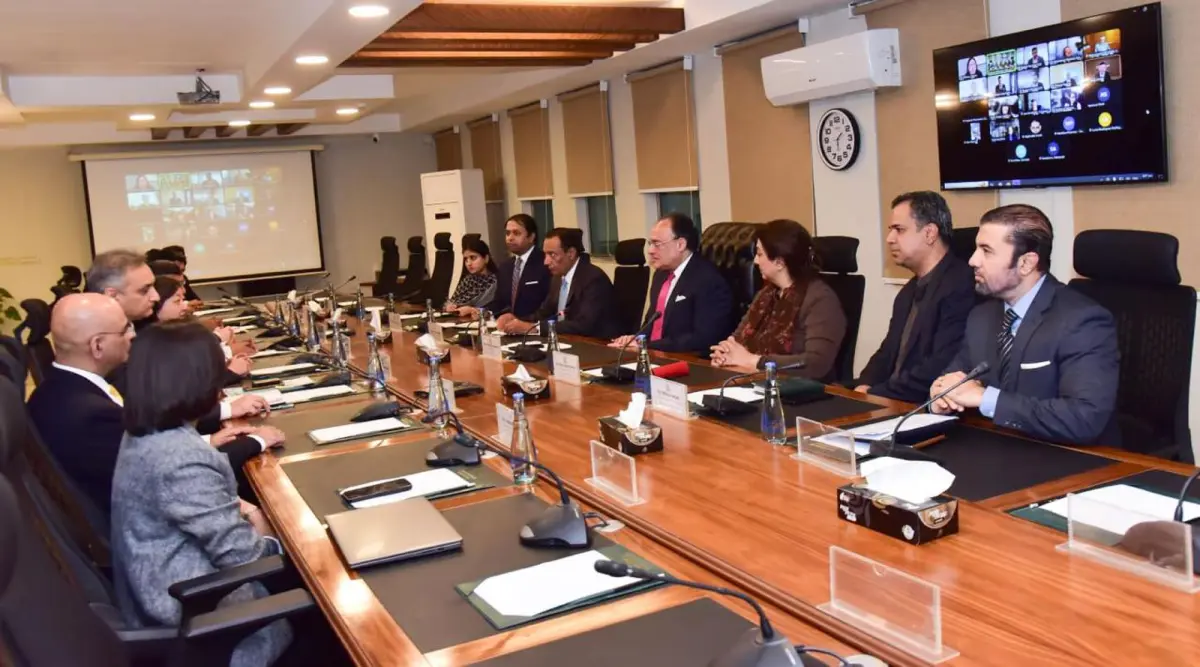
    The development came as Finance Minister Muhammad Aurangzeb held a virtual meeting with the senior leadership of a consortium of international banks and representatives of the MIGA, a member of the World Bank Group, according to a statement from the Finance Division on Tuesday.

    • The Multilateral Investment Guarantee Agency is a World Bank Group institution that provides political risk insurance and credit enhancement guarantees to attract private investment to developing countries.

    “Following a competitive selection process and receipt of bids from nine international financial institutions, the Finance Division, Government of Pakistan, has selected the following banks as financing partners for the facility:

    1. Commerzbank
    2. J.P. Morgan
    3. Standard Chartered Bank

    “The one-year facility, renewable on a rolling 1+1+1 basis, will support the financing of essential imports and trade-related expenditures. The transaction marks the Government of Pakistan’s first-ever credit enhancement transaction with MIGA under its Trade Finance programme, while also representing the first-ever participation of Commerzbank and J.P. Morgan in commercial lending to the Government of Pakistan,” the statement read.

    The banks were selected on the basis of the “most competitive financing terms offered to the Government of Pakistan”.

    “The strong response and participation from international financial institutions reflect growing confidence in Pakistan’s improving economic outlook and progress towards sustainable growth. The Government appreciates the interest shown by all participating institutions and is grateful for their time, effort and engagement throughout the process,” the Finance Division said.

    “The transaction marks an important step towards mobilising private international capital through multilateral risk-mitigation instruments, diversifying external financing sources and exploring innovative financing structures, while maintaining prudent debt management and fiscal responsibility.”

    The Finance Division said the government would work closely with MIGA and the selected banks to advance the transaction towards its timely execution.

    Source: brecorder